
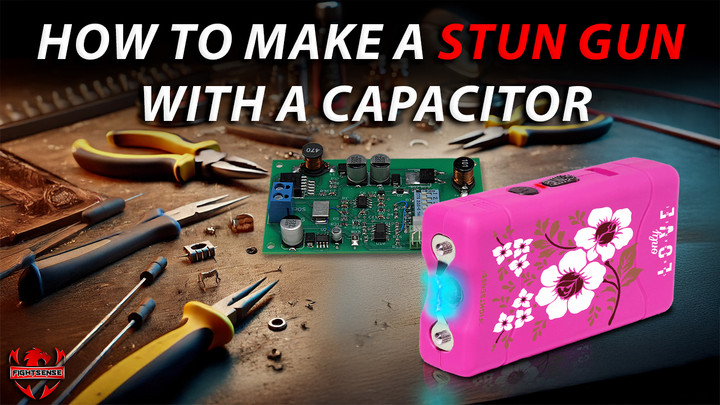
How to Make a Stun Gun with a Capacitor?
15th Feb 2025
How to Make a Stun Gun with a Capacitor is a popular topic among DIY electronics lovers who enjoy learning how self‑defense devices work. Making a stun gun at home helps you understand key parts like the capacitor, battery, transformer, and switch while following important safety steps to keep the process secure and effective.
Keynotes:
-
Capacitors store energy to produce high voltage in a stun gun.
-
Transformers step up the voltage, enhancing the stun gun's effectiveness.
-
DIY stun guns offer a customizable and cost-effective solution.
-
Safety is crucial when handling high-voltage electrical components.
-
Knowledge of electronics is necessary for building and using a DIY stun gun effectively.
What is a Stun Gun and How Does It Work?
A stun gun is a personal defense device designed to incapacitate an attacker by delivering a high-voltage, low-amperage electric shock. Unlike other weapons, it doesn't cause permanent harm but instead disrupts the body’s electrical signals. This disruption leads to temporary muscle contractions, disorientation, and immobilization of the target.
The shock delivered by a stun gun is brief yet intense, giving the user a critical window of time to escape a dangerous situation. Stun guns are portable, easy to carry, and typically powered by batteries, making them a convenient self-defense tool. Their non-lethal nature sets them apart, offering effective protection without the lasting consequences associated with more traditional weapons.
What You Need to Know Before Building a Stun Gun:
Building a stun gun is not only about assembling parts; it requires a clear understanding of electricity and how it works. To safely build a stun gun, you need a basic grasp of high-voltage electronics. The key components involved in making a stun gun include:
Capacitors: Key element that stores and releases electrical charge to generate the stun gun’s high voltage.
-
Transformer: Transforms low-voltage input into a powerful high-voltage output.
-
Battery: Fuels the stun gun, supplying the necessary energy for operation.
-
Switch: Mechanism that initiates the discharge of energy from the stun gun.
-
Wires and Electrodes: Channels the high-voltage current from the capacitor to the target for effective delivery.
How to Make a Stun Gun with a Capacitor:
1. Energy Storage with a Capacitor:
A capacitor stores electrical energy by accumulating charge from a low-voltage power source. When connected in a circuit, it gradually charges and can release its stored energy in a quick, controlled pulse for demonstration purposes.
2. Voltage Boosting with a Transformer:
A high-voltage transformer can be added to increase the voltage supplied to the capacitor. This allows the capacitor to hold a higher potential difference, helping students observe how electrical components behave under increased voltage.
3. Controlled Discharge and Safety:
A switch and metal terminals allow the stored energy to be released in a visible discharge, such as a spark gap demonstration. Because high voltage is involved, proper insulation, protective equipment, and careful handling are essential for safe operation.
How to Make Stun Gun: Safety Considerations:
When you're working on building a stun gun, safety should always be your top priority. High voltage can cause serious injury or even death if handled improperly. Always take precautions when dealing with electrical components:
-
Use Insulated Tools: To avoid accidents, use insulated handles for wires and components.
-
Wear Safety Gear: Wear rubber gloves and safety goggles to protect yourself from electrical shocks.
-
Work in a Controlled Environment: Build the stun gun in a dry, well-lit area to reduce the risk of accidents.
-
Double-Check Components: Ensure that all components, especially the capacitor, are rated for the voltage you plan to use.
-
Test with Caution: Always test your stun gun on a non-living object first to avoid harm.
-
Legal Consideration: The legal considerations of a stun gun vary by jurisdiction, with some regions requiring permits, others banning their possession altogether, and regulations differing significantly between countries and states.
Build Your Own Stun Gun: Customize, Save, and Control:
Building your own stun gun allows you to customize its design, size, and power to fit your needs. It's a more economical option than buying pre-made models, as you only pay for essential parts.
Plus, crafting your own device boosts self-reliance, giving you confidence in your ability to create an effective self-defense tool. With full control over features like voltage and battery life, you can tailor it for practical, everyday use.
Shop Now !
FAQs:
1. How to make a stun gun with a capacitor?
To make a stun gun with a capacitor, you need to connect the capacitor to a transformer, battery, and switch—the capacitor stores electrical energy, which is discharged to create the high-voltage shock.
2. What components are needed to make a stun gun?
To create a stun gun, you will need a capacitor, high-voltage transformer, battery, switch, metal electrodes, and wires.
3. Is it safe to make a stun gun at home?
Making a stun gun at home is possible, but it requires knowledge of electronics and safety precautions when handling high-voltage components.
4. Can I use a microwave transformer to make a stun gun?
Yes, a microwave transformer is commonly used in DIY stun guns to step up the voltage from the battery to a high level necessary for the shock.
5. How powerful can a homemade stun gun be?
The power of a homemade stun gun depends on the capacitor and transformer used. With the right components, it can be quite effective for personal defense.
Final Thoughts:
In conclusion, crafting a stun gun with a capacitor offers an educational and empowering experience for those interested in electronics and self-defense. By assembling components like the capacitor, transformer, battery, and switch, you can create a custom, cost-effective device tailored to your needs. However, working with high-voltage parts requires strict safety protocols to avoid risks.
While DIY stun guns can provide effective protection, they require a solid understanding of electronics and testing to ensure they work as intended. Always check local regulations before building or using a stun gun and ensure thorough testing for reliability.
Disclaimer:
This guide is for educational purposes only and emphasizes the importance of following safety guidelines, checking local laws, and avoiding illegal or unsafe use of homemade stun guns.