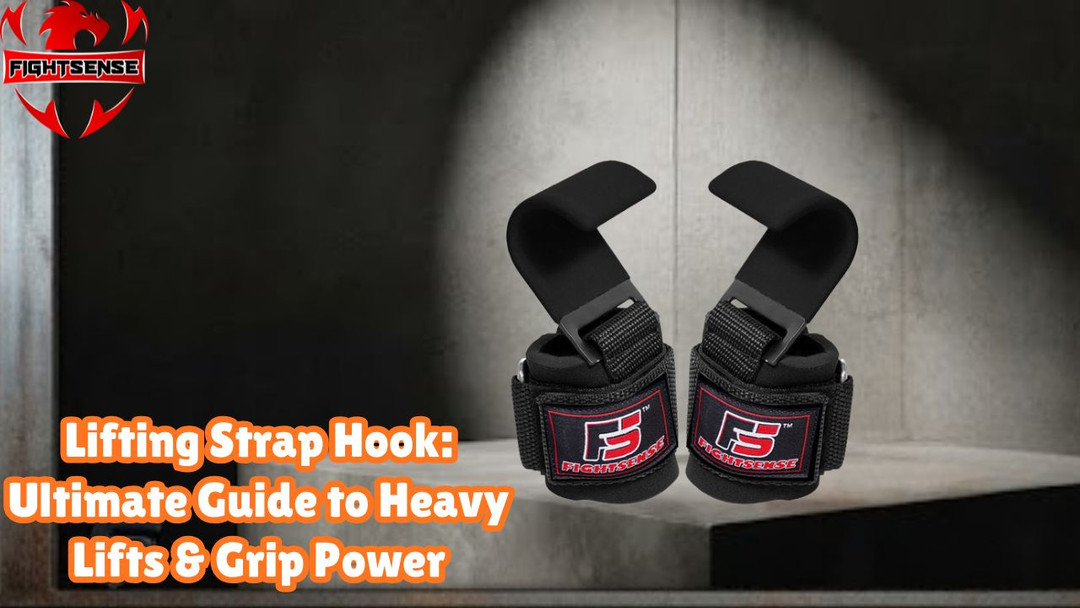
Lifting Strap Hook: Ultimate Guide to Heavy Lifts & Grip Power
Lifting strap hook is your ultimate weapon when your grip gives out before your muscles do. We have all been there: stepping up to a heavy deadlift with the raw leg power to crush a personal record, only to have our fingers slip and forearms burn out right at the lockout. If you are tired of your grip sabotaging your back and trap gains, it is time to change the game. Enter the Gym wrist hooks—a simple yet powerful gym accessory designed to lock you onto the bar so you can lift heavier, train longer, and unlock your true strength.
Key Takeaways:
- Eliminate Grip Failure: Lock securely to the barbell and bypass weak forearms during heavy pulls.
- Isolate Target Muscles: Direct 100% of your focus to building your back, lats, and traps without slipping.
- Boost Training Volume: Power through higher reps and heavier sets without cutting workouts short.
- Quick & Easy Setup: Slip on the padded wrist wrap and hook onto the bar instantly.
- Engineered by Fightsense: Rely on durable steel and premium comfort designed for serious lifters.
What exactly is a lifting strap hook and how does it work?
So, how do you solve a physics problem with a mechanical solution? A traditional lifting strap hook is an ingenious piece of fitness equipment designed to bridge the gap between your raw hand strength and the heavy weight you want to move.
The mechanics behind the grip
Unlike traditional fabric lifting straps that require you to manually wrap and twist long pieces of material around a barbell over and over again, a hook-based setup features a sturdy wrist wrap attached to a heavy-duty coated steel hook.
- The Mechanism: You securely strap the padded cuff tightly around your wrist. Then, you simply place the metal hook directly under and over the barbell.
- The Physics: When you initiate the pull, the weight of the barbell transfers directly into the metal hook and down through your wrist wrap, bypassing your fingers and forearms almost entirely.
Why physical leverage matters
This mechanical advantage means you can hold onto massive weights effortlessly. It lets you concentrate 100% of your mental and physical energy on executing the actual lift with flawless form.
Why your grip always gives out first on heavy pulls
Let’s face it: our hands and forearms are tiny compared to the massive muscle groups in our back, glutes, and hamstrings. When you pull heavy loads, raw physics takes over, creating a massive shear force that easily overcomes hand friction.
Even with chalk, mixed grips, or traditional straps, forearm fatigue inevitably sets in, forcing you to cut your sets short. This creates a frustrating training imbalance where your back still has plenty of reps left, but your hands wave the white flag. Recognizing this bottleneck is the first step to unlocking your true strength.
How do Weight lifting hooks supercharge your back and leg workouts?
When you take grip failure completely out of the equation, your entire workout dynamic shifts. Here is a look at the major performance benefits you will experience:
Isolating the target muscles
- Targeted Growth: During heavy barbell rows or shrugs, your mind-muscle connection stays locked entirely on your latissimus dorsi and traps, rather than worrying about whether your fingers are going to slip.
Beating the forearm pump
- Reduced Fatigue: By shifting the load away from your forearm flexors, you prevent premature forearm fatigue from ruining your pull sessions and cutting your volume short.
Maximizing overall volume
- Higher Rep Ranges: Because your grip isn't giving out on set two, you can power through higher rep ranges and additional working sets, leading to superior muscle hypertrophy over time.
Which exercises benefit the most from using a Gym wrist hook ?
You might be wondering if you should use this accessory for every single movement in your routine. The short answer is no—they are specifically engineered for heavy pulling movements where grip is the primary limiting factor.
Top movements to upgrade
Here are the top exercises where a lifting strap hook shines:
- Heavy Barbell Deadlifts: Perfect for working sets, overload training, or when you want to protect your hands from tearing during high-volume sessions.
- Bent-Over Barbell Rows: Keeps your grip secure so you can really drive your elbows back and hammer your mid-back.
- Barbell or Dumbbell Shrugs: Allows you to handle extreme loads for your traps without your fingers opening up halfway through the set.
- Romanian Deadlifts (RDLs): Keeps your hamstrings under constant, uninterrupted tension without worrying about finger slippage on sweaty knurling.
Traditional Straps vs. Hooks: Which one should you actually buy?
|
Feature |
Traditional Straps |
Lifting Strap Hook |
|
Setup |
Slow (manual wrapping) |
Fast (instant attach) |
|
Grip |
Depends on tightness |
Maximum steel lock |
|
Fatigue |
Moderate forearm strain |
Minimal (steel bears load) |
|
Learning |
Steep learning curve |
Easy & beginner-friendly |
|
Best For |
Powerlifters & purists |
Bodybuilders & hyper-focus |
Making the final choice
As you can see, if your primary goal is muscle growth, maximum efficiency, and eliminating grip failure instantly, a lifting strap hook is clearly the more convenient choice.
What should you look for when shopping for the best lifting gear?
Not all fitness accessories are created equal. When you are putting heavy metal loads in the hands of a wearable product, safety and material integrity are non-negotiable.
Key purchasing factors
Keep these key factors in mind before making a purchase:
- Steel Quality: Look for solid steel hooks that are heavily coated to prevent scratching your barbells and to ensure they never bend under heavy pressure.
- Wrist Padding: Neoprene or thick foam padding is essential to protect your wrist bones from pinching or chafing when handling heavy loads.
- Strap Durability: Heavy-duty nylon webbing with reinforced stitching ensures the product will survive years of brutal gym abuse.
Level Up Your Training with Fightsense Lifting Hooks
When it comes to finding gear that balances durability with absolute comfort, Fightsense has earned a stellar reputation among serious lifters worldwide. Their engineering focus centers heavily on safety, ergonomic design, and long-lasting material quality.
Premium support for serious lifters
The Fightsense product line stands out because of its premium padded wrist support and heavy-duty steel hooks that handle punishing workloads without flinching.
Train smarter and safer
Whether you are an intermediate gym-goer pushing past a plateau or a seasoned competitor looking to maximize your pulling power, adding reliable Weight lifting hooks from their collection to your daily routine ensures you can train harder, safer, and more effectively than ever before.
Are there any drawbacks or mistakes to avoid while using this gear?
- Avoid Over-Reliance: Do not use them for every exercise, warm-ups, or light pulling movements.
- Save for Heavy Sets: Reserve your gear strictly for your heaviest working sets to prevent grip failure from cutting your reps short.
- Protect Natural Grip: Balance mechanical support with unassisted lifting to maintain a healthy baseline of raw grip strength.
Get Yours Now!
Conclusion:
A lifting strap hook is an absolute game-changer if you are tired of your grip failing before your heavy back and leg muscles do. By taking forearm fatigue completely out of the equation, this simple yet powerful piece of gear allows you to maintain flawless form, protect your hands, and push past your previous limits.
Whether you are an intermediate lifter or a seasoned pro, incorporating reliable gear like Fightsense lifting straps with hooks ensures you can train smarter, lift heavier, and maximize your overall strength gains safely and effectively.
FAQs:
1. Can lifting hooks cause wrist discomfort?
High-quality hooks with thick padding distribute weight evenly and prevent pinching. Discomfort only occurs if they are poorly fitted or lack cushioning.
2 . Are lifting hooks legal in powerlifting competitions?
No, federations like the IPF do not allow straps or hooks. They are engineered strictly as training tools for hypertrophy and gym overload.
3. Are hooks better for high-rep drop sets?
Yes. Their quick-attach design lets you re-engage with the bar instantly without wasting energy re-wrapping cloth.
4. Do they fit on thick powerlifting barbells?
Most professional-grade hooks accommodate standard Olympic bars, though you should verify sizing if using oversized axle bars.
5. How much weight can heavy-duty lifting hooks support?
Premium steel hooks and reinforced nylon webbing are rated to safely handle hundreds of pounds, easily supporting heavy working sets.
6. Are lifting hooks safe for beginners?
Yes. They help beginners bypass weak forearm fatigue so they can focus on learning proper form and building back strength.
7. Why choose steel hooks over leather straps?
Steel hooks provide an instant, unbreakable mechanical lock on the bar, eliminating the tedious manual twisting required by traditional straps
Disclaimer:
This blog is only for informative needs. Before employing new lifting accessories, always see a fitness professional.